

Christmas in Portugal: Traditions, Flavours and Festivities
Christmas is the most widely celebrated holiday in Portugal, and over time it has become as much a cultural occasion as a religious one. Many Christmas traditions have been passed down through generations and remain very much alive today, although in recent years some have adapted for convenience and affordability.
What is Christmas called in Portugal?
If you’re spending Christmas — Natal — in Portugal, it helps to know how to greet people in the local language. The most common expression is “Feliz Natal” (Merry Christmas). You may also hear “Boas Festas”, meaning Happy Holidays, which covers both Christmas and New Year.
Below, we share some of the most beloved Portuguese Christmas traditions.
Christmas Cribs
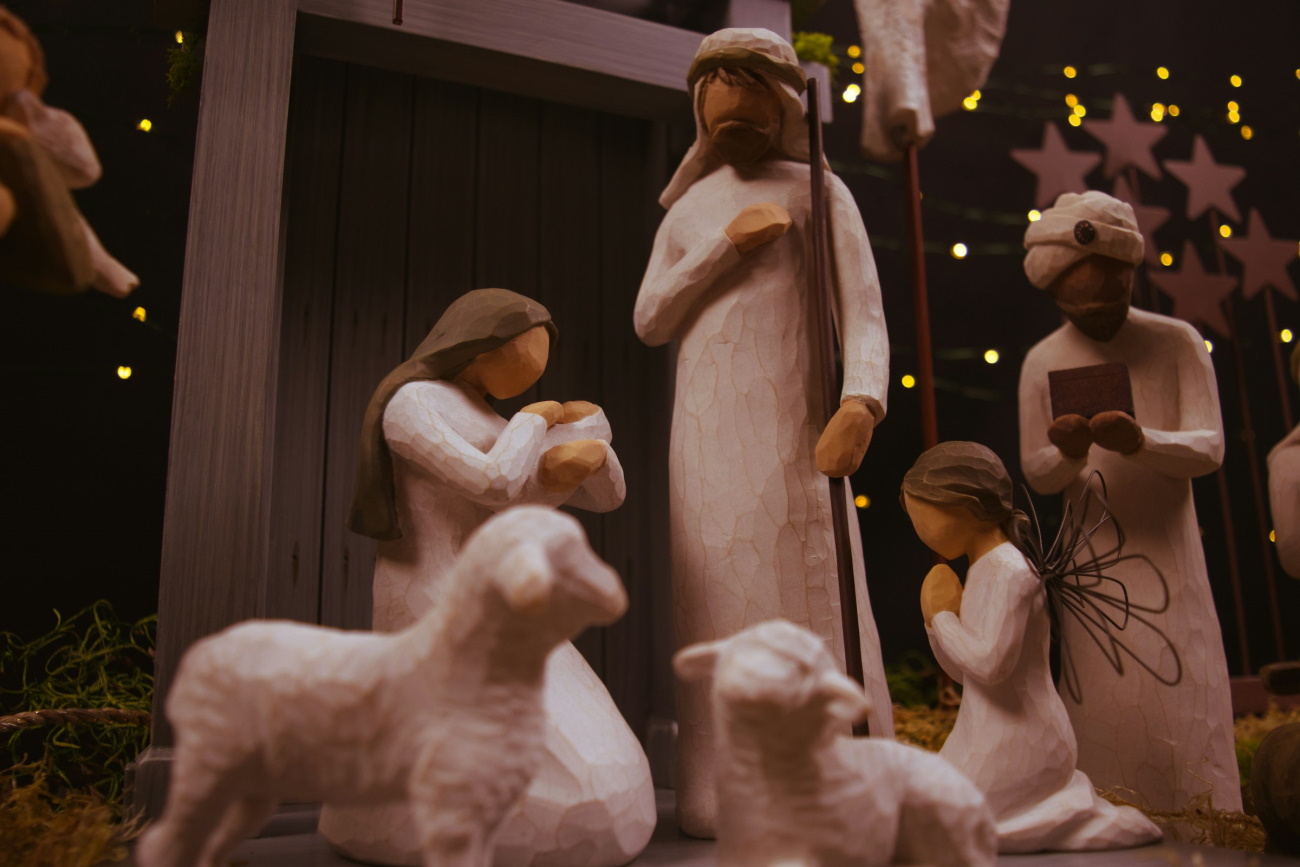
In Portugal, Christmas is centred on the birth of Jesus. Nativity scenes (presépios) are displayed in homes, churches, shops and even in public squares. Families recreate the scene of the Nativity, usually placing the Christmas crib beneath the tree and adding figures little by little as the season progresses.
The Consoada (Christmas Eve Dinner)
On the night of December 24th, Portuguese families gather for a special dinner known as the Consoada. The traditional dish is boiled cod (bacalhau) or octopus, served with potatoes and Portuguese cabbage, all drizzled with olive oil.
On December 25th, lunch usually features stuffed turkey or other roasted meats. For dessert, Bolo Rei (King Cake) is a must, along with other festive treats such as filhós, sonhos (dream fritters), and rabanadas (similar to French toast).
Traditional Festive Desserts
There are countless Christmas sweets in Portugal, but some of the most popular include:
- Sonhos – Meaning “dreams”, these are light, fluffy fritters, often made with pumpkin or carrot, and coated in sugar and cinnamon.
- Toucinho do Céu – A traditional convent dessert made primarily from eggs, sugar and almonds. Its name means “bacon from heaven” because it was originally made with lard, though butter is used today.
- Bolo Rei – The iconic Portuguese Christmas cake, made from soft dough and filled with dried fruits, candied peel, raisins, and nuts.
The Mass of the Rooster (Missa do Galo)
After Christmas Eve dinner, it is customary to attend the midnight mass known as Missa do Galo (Mass of the Rooster), which marks the birth of Jesus Christ. This ceremony remains one of the most important religious traditions of the season.
After Mass, families return home to place the figure of Baby Jesus in the crib and begin the exchange of Christmas gifts. In many parishes across Portugal, the warmth of community spirit makes this a deeply moving and memorable experience.
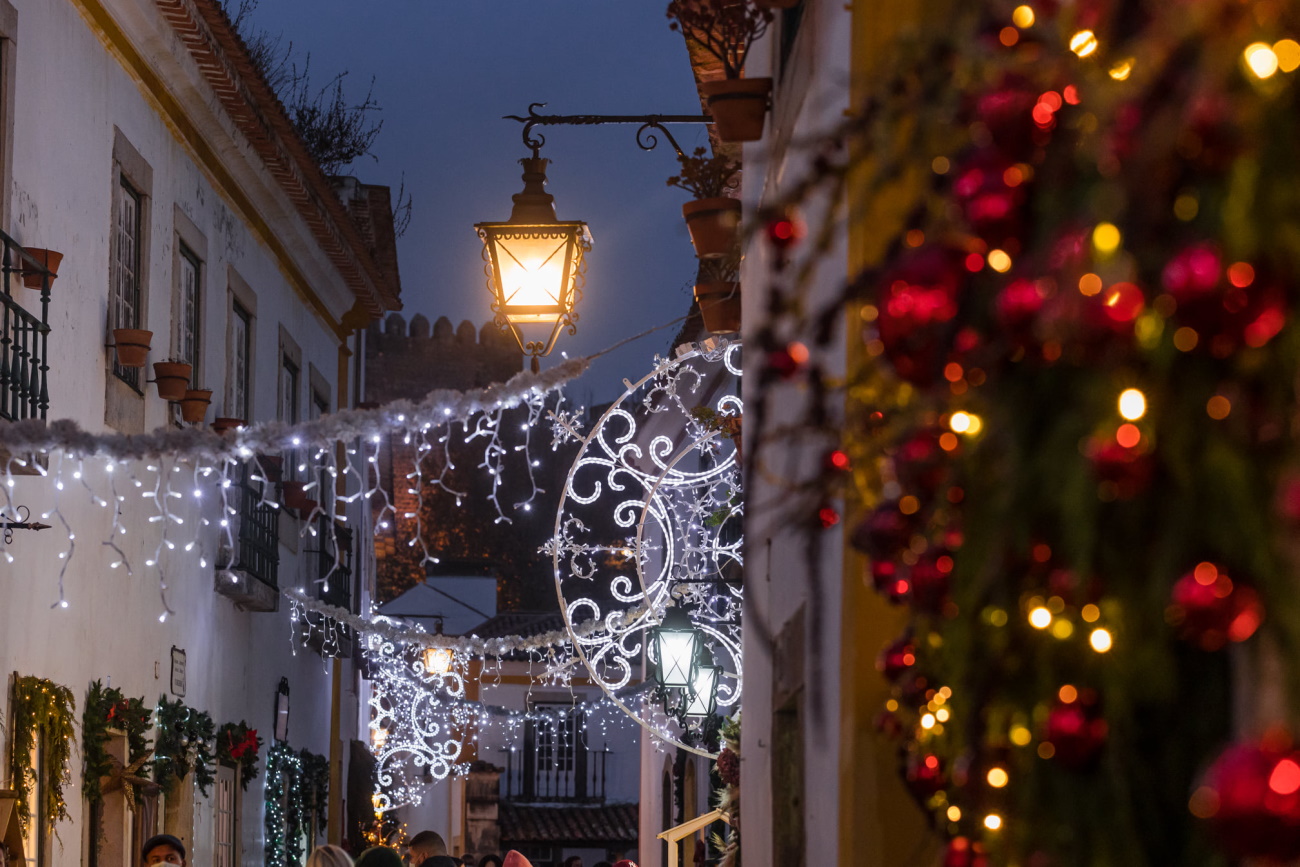
Anyone planning a festive winter getaway should consider visiting Portugal. With its mild, sunny December days, it’s the perfect destination to explore historic towns, enjoy street entertainment and attend musical concerts, while browsing Christmas markets scattered throughout the country. Contact our team and learn more about Portuguese Christmas Traditions.