


Carnival in Portugal: History and Traditions
Carnival in Portugal is one of those times of year when the country lets its guard down. Celebrated throughout February, it fills streets with satire, children in costume, and festivities that range from rustic folk rituals to full-blown samba parades.
How Carnival is celebrated in Portugal
At its heart, Carnaval in Portugal marks the last great celebration before Lent. Its origins lie in Entrudo traditions — a blend of Catholic pre-Lenten customs and much older, earthy folk rituals. While religion still shapes the calendar, today Carnaval is just as much about community, humour, and collective joy.
Carnival is celebrated across many Portuguese towns and villages, often influenced by Brazilian Carnaval. However, one of the most remarkable and ancient celebrations takes place in the village of Podence, in northern Portugal, in the Trás-os-Montes region.
Carnival of Podence
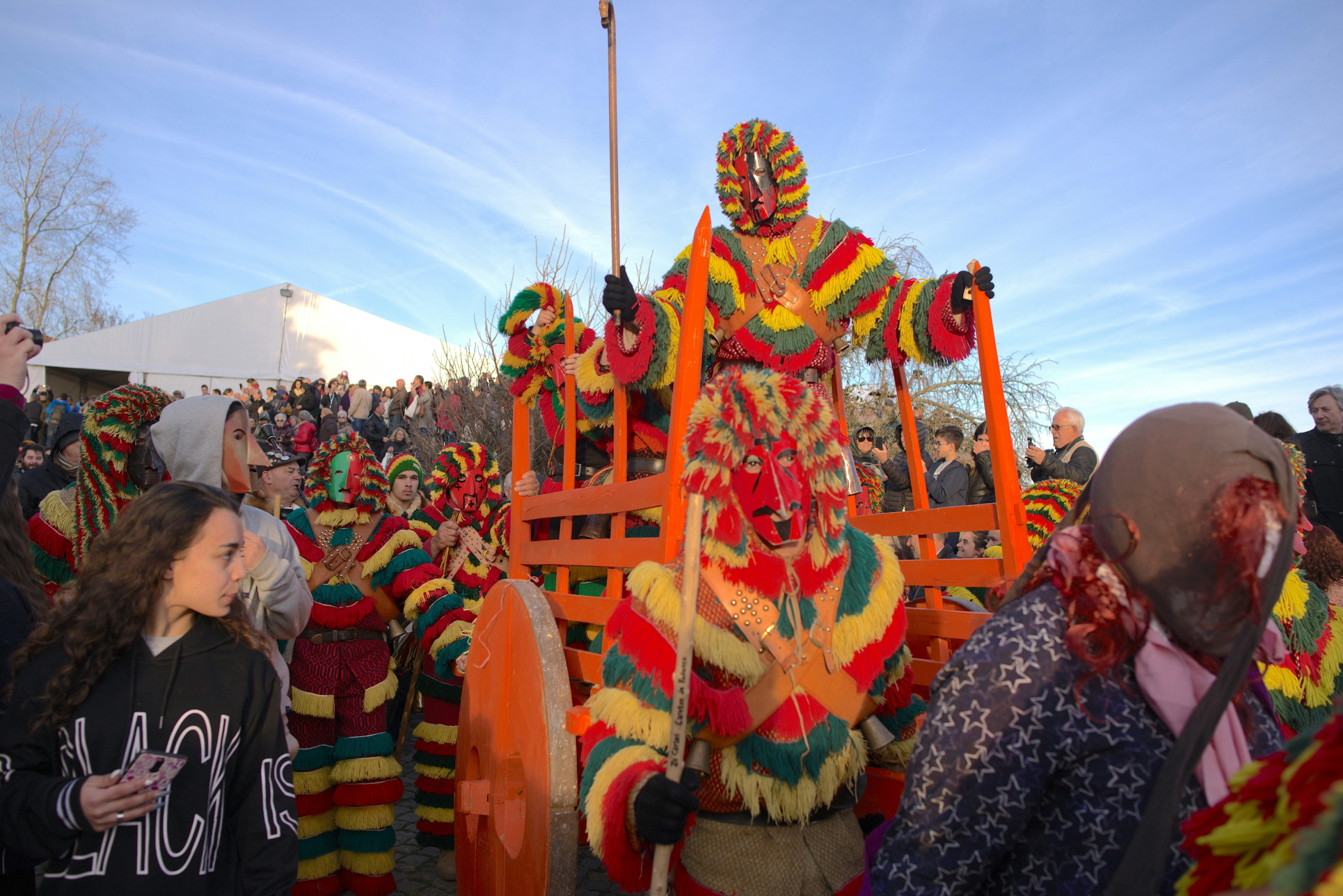
The Carnival of Podence is one of the most important traditional events in northern Portugal. Thanks to the strong involvement of the local community — who have preserved this celebration for centuries — and its cultural significance, UNESCO recognised the Carnival of Podence as Intangible Cultural Heritage of Humanity.
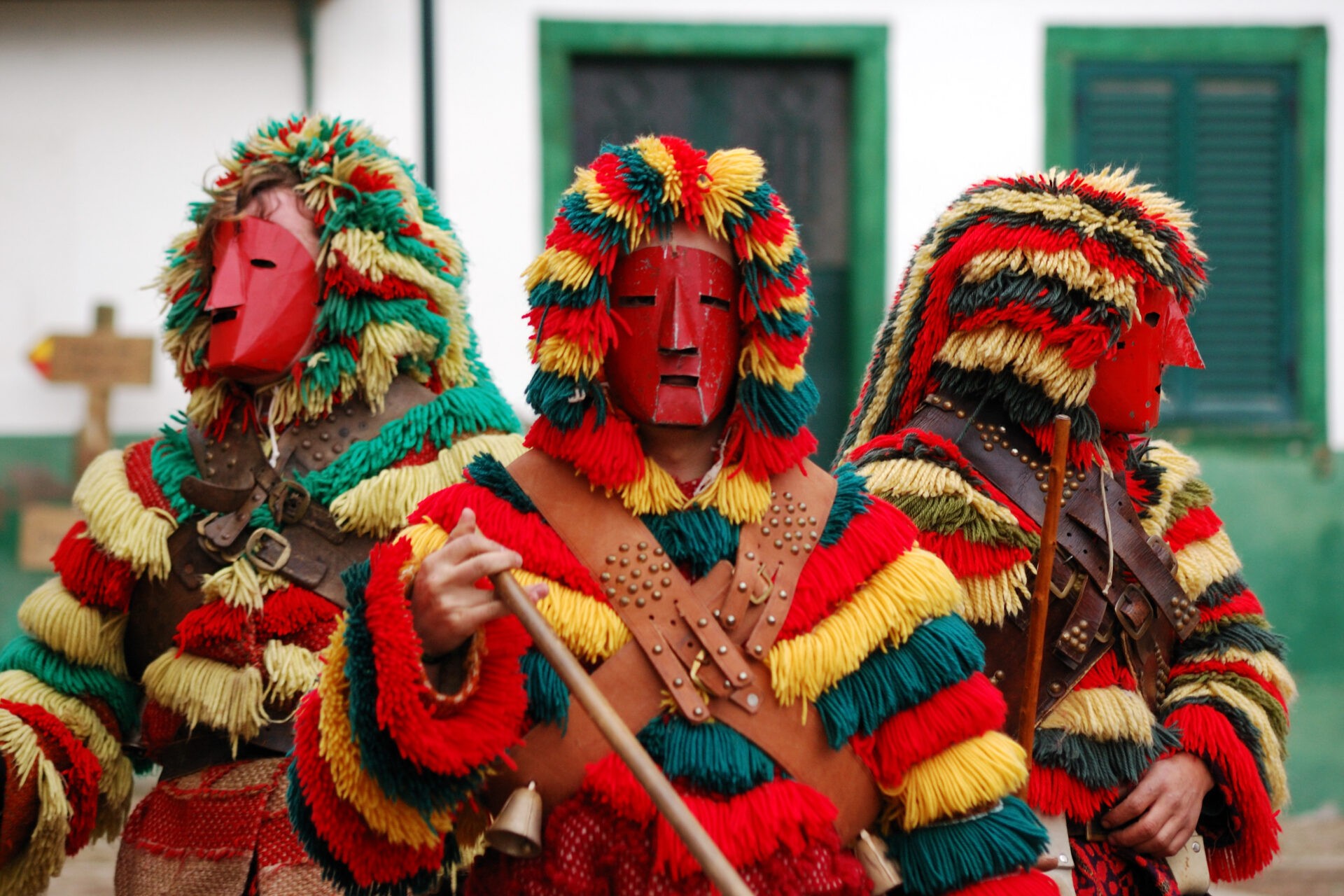
During the festivities, masked “devilish” figures known as Caretos roam the streets dressed in colourful costumes adorned with cowbells. They leap, run, and make as much noise as possible, deliberately disturbing the usual peace of the village.
Originally, the Caretos were associated with the idea of the “devil on the loose,” symbolising excess, euphoria, and the temporary freedom allowed during this time of year. Their antics also celebrate fertility and the renewal of life that comes with the approaching spring after the long winter months.
This is just one of the many fascinating traditions you can discover in Portugal. Stay inspired for your travels — and contact our team to learn more about Portugal’s rich heritage and living traditions.