



Exploring Alentejo: A Region Made for Slow Travel
Exploring Alentejo: a Region Made for Slow Travel
Lisbon and the Algarve get most of the attention, but ask many Portuguese where they go to breathe, and they will name the Alentejo. This is a region of wide horizons, quiet villages, long tables, and wine poured without fuss. It is best enjoyed without a stopwatch.
What we love about it is not that few people know it. It is the space it gives you: time for a lunch that stretches into the afternoon, and a landscape that sets the pace of the day.
Cork, olives and open sky
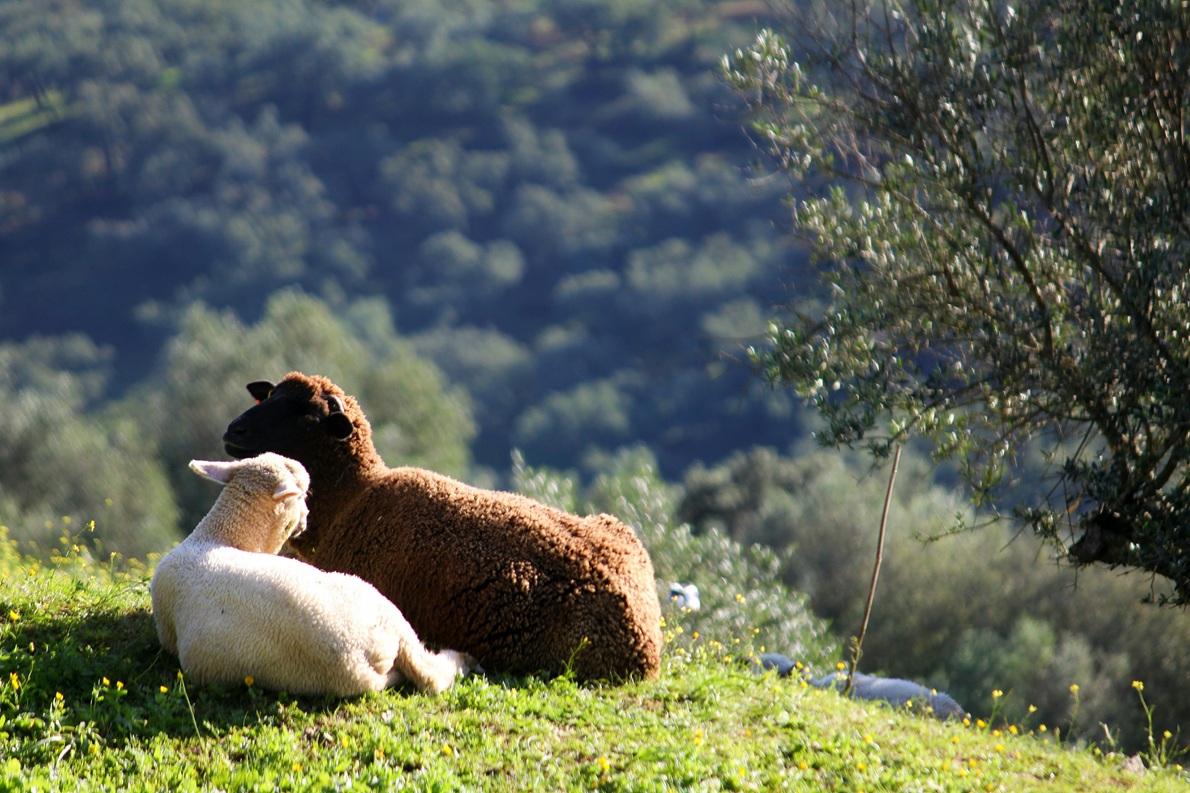
Across the Alentejo, cork oaks and olive trees stand in wide, open country. In spring the fields are green, and by midsummer they have turned to gold. Villages sit white against the hilltops, visible from miles away.
The journey is part of the experience. With a driver-guide at the wheel, you can look out of the window, stop at a viewpoint or a roadside café, and let the countryside be the highlight rather than the gap between two sights.
Historic villages
People have lived here for thousands of years, and it shows. Standing stones raised in the Neolithic sit near Roman ruins, Moorish fortifications, and old convents, often within an hour’s drive of each other.
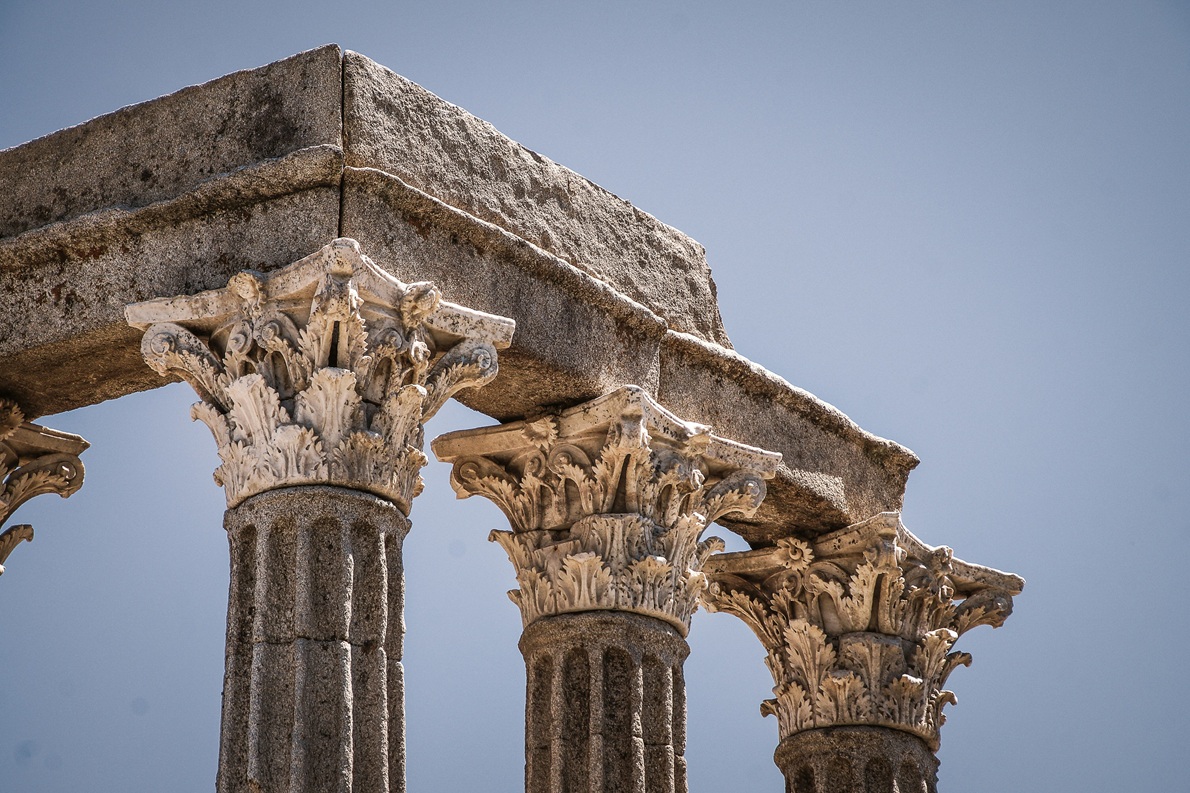
Évora: A UNESCO World Heritage city and the natural base for exploring the region. Wander its lanes to the Roman temple, then visit the Chapel of Bones, one of Portugal’s most unusual sights. Nearby, the Almendres Cromlech is among the oldest stone circles in the Iberian Peninsula.
Monsaraz: A walled hilltop village above the vast Alqueva lake. Come for the views over the plains and stay for the evening, when the crowds thin and the village is known for its remarkably clear night skies.
Marvão: A fortified village on a granite ridge close to the Spanish border. The views from the castle walls are some of the widest in the country.
Estremoz: A hilltop castle quarter above a town built on marble, which you will see in its streets, doorways, and nearby quarries.
Where the plains meet the Atlantic
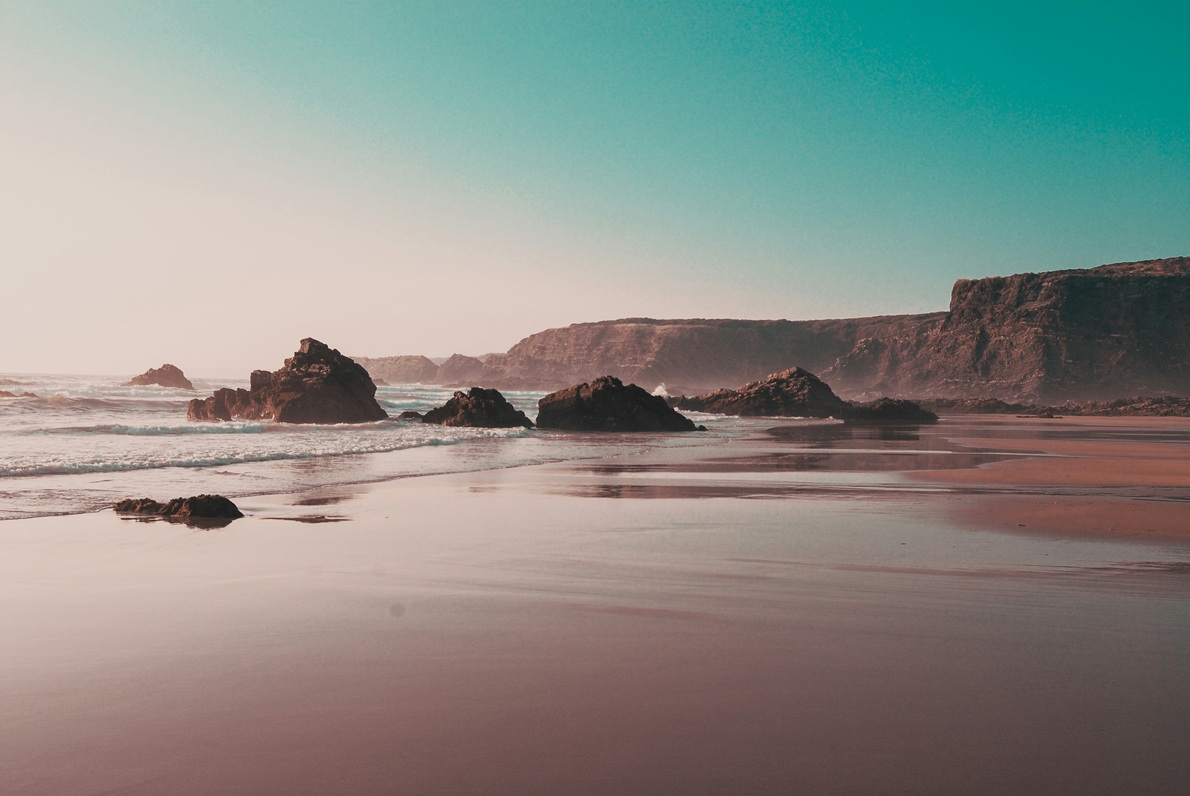
In the southwest, the Alentejo reaches the sea. The Southwest Alentejo and Vicentine Coast Natural Park protects cliffs, hidden coves and windswept scrubland. Storks even nest on the sea cliffs here, a rarity worldwide. Walkers can follow sections of the Rota Vicentina, including the Fishermen’s Trail, which hugs the coastline
Wine with deep roots
Winemaking here dates back to Roman times, and some producers still make wine in traditional clay amphorae (vinho de talha). Today the region is best known for generous, fruit-forward reds and fresh whites, shaped by long, hot summers.
Visits vary widely, from small family cellars to large modern estates. Some offer cellar tours, vineyard walks or tastings with food, but this depends on the producer. Meeting the winemaker is possible at some estates, but we would never promise it.
Take it at your own pace
The Alentejo works best when you leave room in the day: a little history, a good meal, and time to simply look around.
If you would like help planning, our local team can design a private day trip or a tailor-made multi-day itinerary around your interests and rhythm.