



3 Legends and Myths of Portugal
3 Legends and Myths of Portugal.
Portugal’s rich folklore is filled with fascinating legends and myths that have been passed down through generations. These stories, often featuring heroic figures, mythical creatures, and supernatural events, reflect the history, imagination, and cultural identity of the Portuguese people.
We invite you to discover three of Portugal’s most celebrated legends, each offering a unique insight into the country’s traditions, beliefs, and enduring spirit.
The Legend of King D. Sebastião
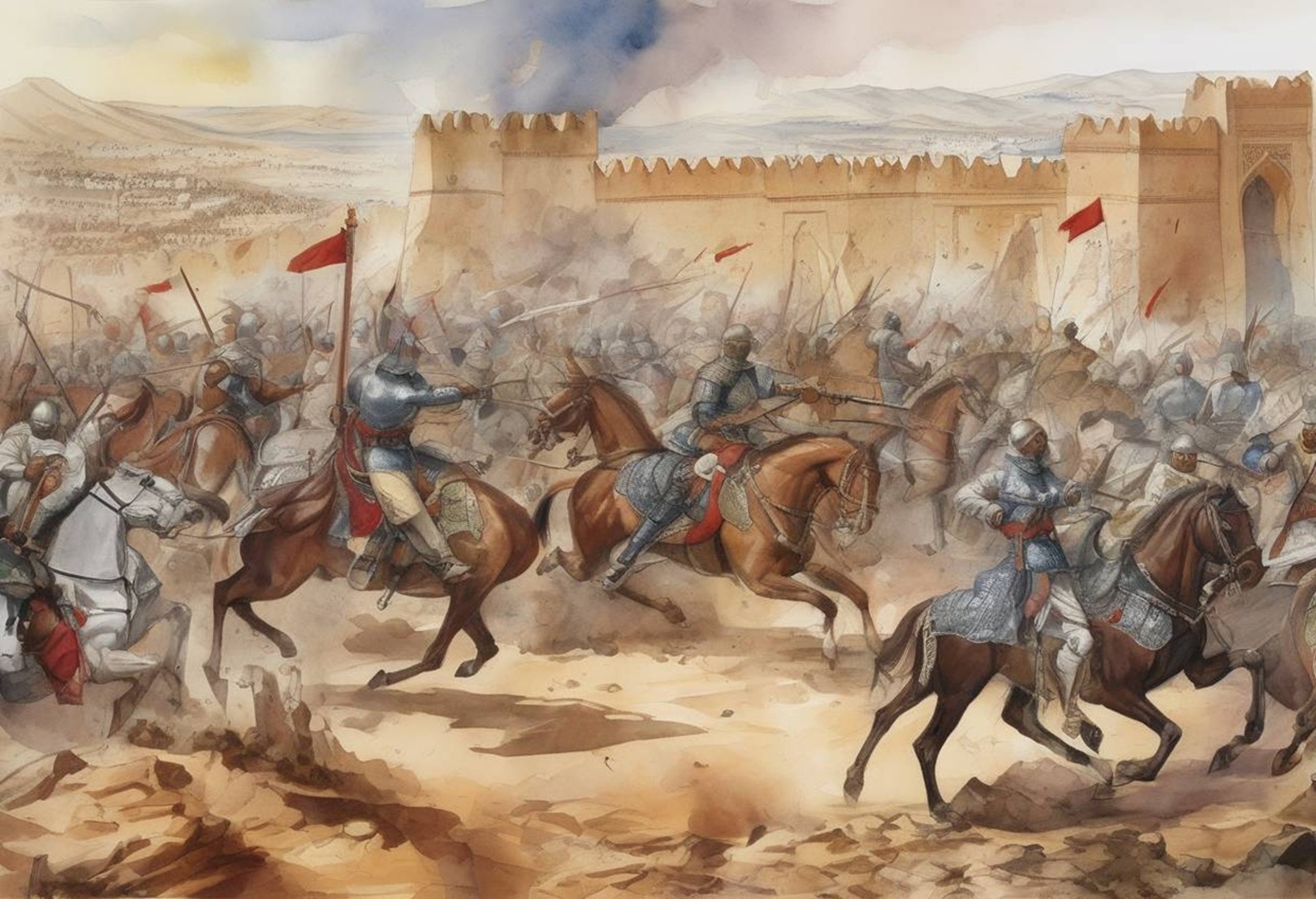
A tale of the young king who vanished at the Battle of Alcácer Quibir in 1578 and is believed one day to return and lead Portugal once more
On 4 August 1578, King D. Sebastão, the young King of Portugal, led the Portuguese forces into the Battle of Alcácer Quibir in northern Morocco, seeking to relieve the pressure exerted by the Moors on Portuguese strongholds in the region. The campaign ended in disaster. The battle resulted in devastating losses for Portugal, including the presumed death of the young king himself.
Although his mortal remains, or what are believed to be his remains, are buried in the Jerónimos Monastery in Lisbon, D.Sebastião continues to occupy a unique place in the Portuguese imagination. He is remembered as the Rei Desejado (“the Desired King”), destined to return on a misty morning and save Portugal in its hour of greatest need.
As D. Sebastião disappeared without leaving an heir, his loss triggered a succession crisis that ultimately led to Portugal coming under the rule of Filipe II of Spain. The nation entered a period of mourning, but grief gradually gave way to hope and expectation of the king’s return.
According to popular legend, D. Sebastião did not die at Alcácer Quibir. Instead, he survived and will one day return to restore Portugal’s former glory. This belief gave rise to Sebastianism (Sebastianismo), a powerful cultural and political movement symbolising hope, national renewal, and the longing for a brighter future. The legend remains one of the most enduring and evocative narratives in Portuguese history and culture.
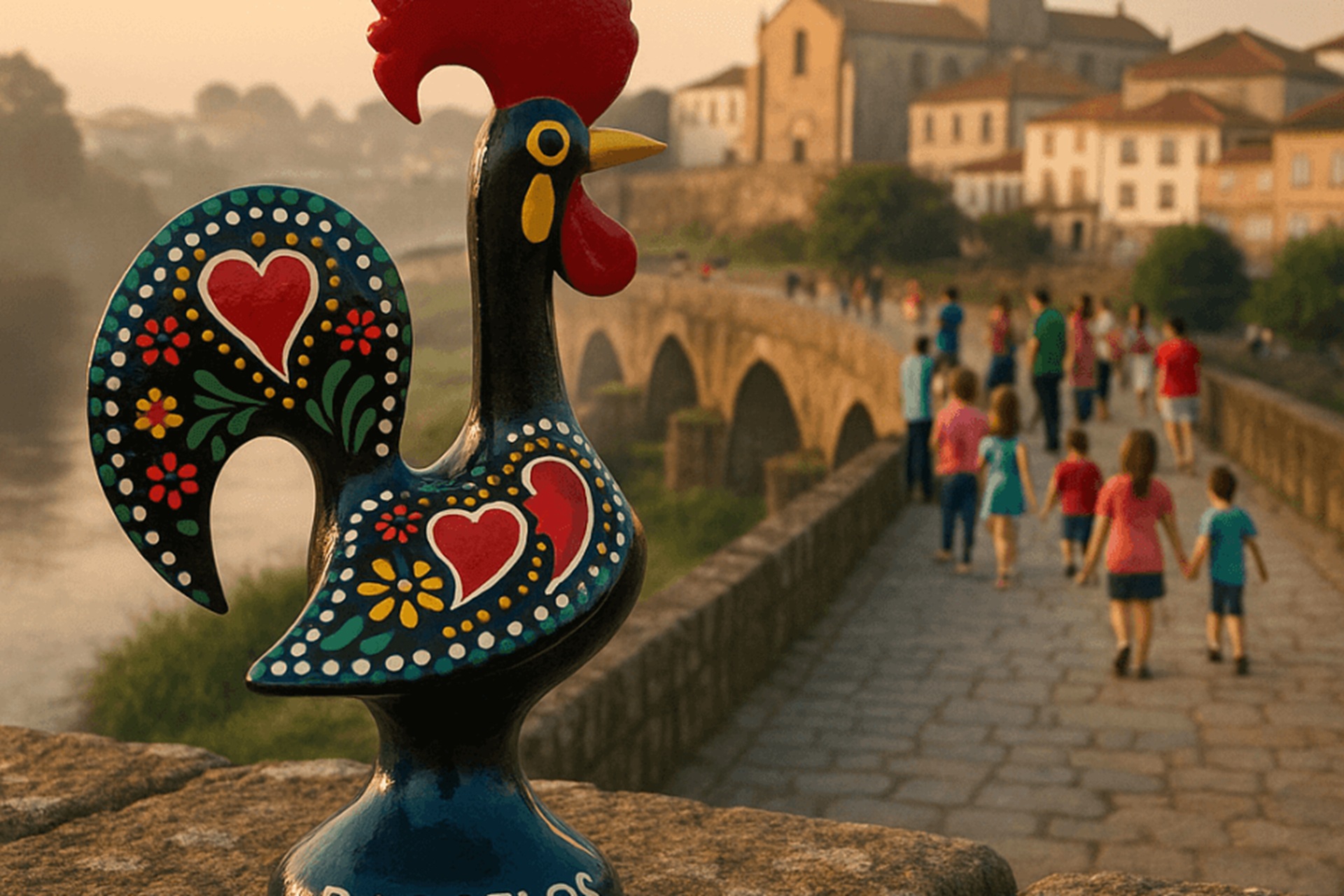
The rooster of Barcelos
This is one of Portugal’s most famous legends. Although there are several versions of the story, the general tale remains the same.
In the 15th century, a stranger arrived in Barcelos, a town that had recently been shaken by tragedy. The man was a pilgrim travelling to Santiago de Compostela. However, he was quickly accused of a crime he had not committed and sentenced to death by hanging.
The man insisted on being taken before the magistrate, who was hosting a banquet at the time. He tried to plead his case but was dismissed. Nevertheless, he remained confident that his innocence would be proven. Pointing to a roasted rooster on the table, he declared that the bird would crow at the very moment of his execution. This miracle, he said, would prove that he was innocent.
The guests laughed at the claim, and the pilgrim was led to the gallows. But, to everyone’s astonishment, as he was being hanged, the cooked rooster stood up on the table and crowed! The magistrate immediately realised that an innocent man had been condemned and that the pilgrim had been favoured by God. Fortunately, the noose had been tied too loosely, allowing the man to survive and be saved.
Sometime later, the pilgrim returned to Barcelos and carved a cross as a tribute to both the miraculous rooster and the Lord who had saved his life.
The legend of the Seven Cities Lagoon
A tale of love and separation, where the tears of a princess and a shepherd gave birth to two lagoons.
Legend tells that many years ago, where the parish of Sete Cidades now stands, there was a great kingdom ruled by a powerful king. Among its inhabitants was his daughter, Princess Antília, a beautiful young woman with striking blue eyes.
Although she lived surrounded by luxury, Antília felt confined within the castle walls. Each day, she escaped to the countryside, where she met a humble shepherd with bright green eyes. As they shared their dreams, hopes, and stories of their very different lives, they soon fell deeply in love.
When the King discovered their secret meetings, he disapproved of the relationship and forbade them from ever seeing each other again. Heartbroken, the princess pleaded with her father for one final farewell. Moved by her sorrow, he reluctantly granted her wish.
The princess and the shepherd met for the last time in the valley below. As they spoke of their love and the pain of their impending separation, they wept together. Their tears flowed across the land, filling the valley. The princess’s blue tears formed a shimmering blue lagoon, while the shepherd’s green tears created a vibrant green lagoon.
These legends are not only entertaining but also provide valuable insight into Portugal’s history, culture, and traditions. They offer a deeper understanding of the country’s past and remain an essential part of Portugal’s national identity.
Contact our team to learn more about Portuguese culture, heritage, folklore, and travel itineraries.