


The History of Fado: A Portuguese Symbol and Heritage
Every Portuguese person feels Fado. It is part of our identity, something that cannot truly be explained, only felt. That is why we would like to dedicate this article to exploring the history of Fado.
The word fado derives from Latin and means “fate” or “destiny”, which says much about its melancholic sound and profound emotional depth. Fado expresses a wide range of powerful emotions: love and heartbreak, nostalgia and saudade (the uniquely Portuguese feeling of longing), but also joy and humour.
Where and when did Fado originate?
There are several theories regarding the origins of Fado. Some believe that it emerged from Moorish chants, while others point to medieval influences. It has also been suggested that its roots lie in the modinha, a popular musical genre of the 18th and 19th centuries, which may have evolved through its fusion with lundu, a dance and musical expression of Angolan origin.
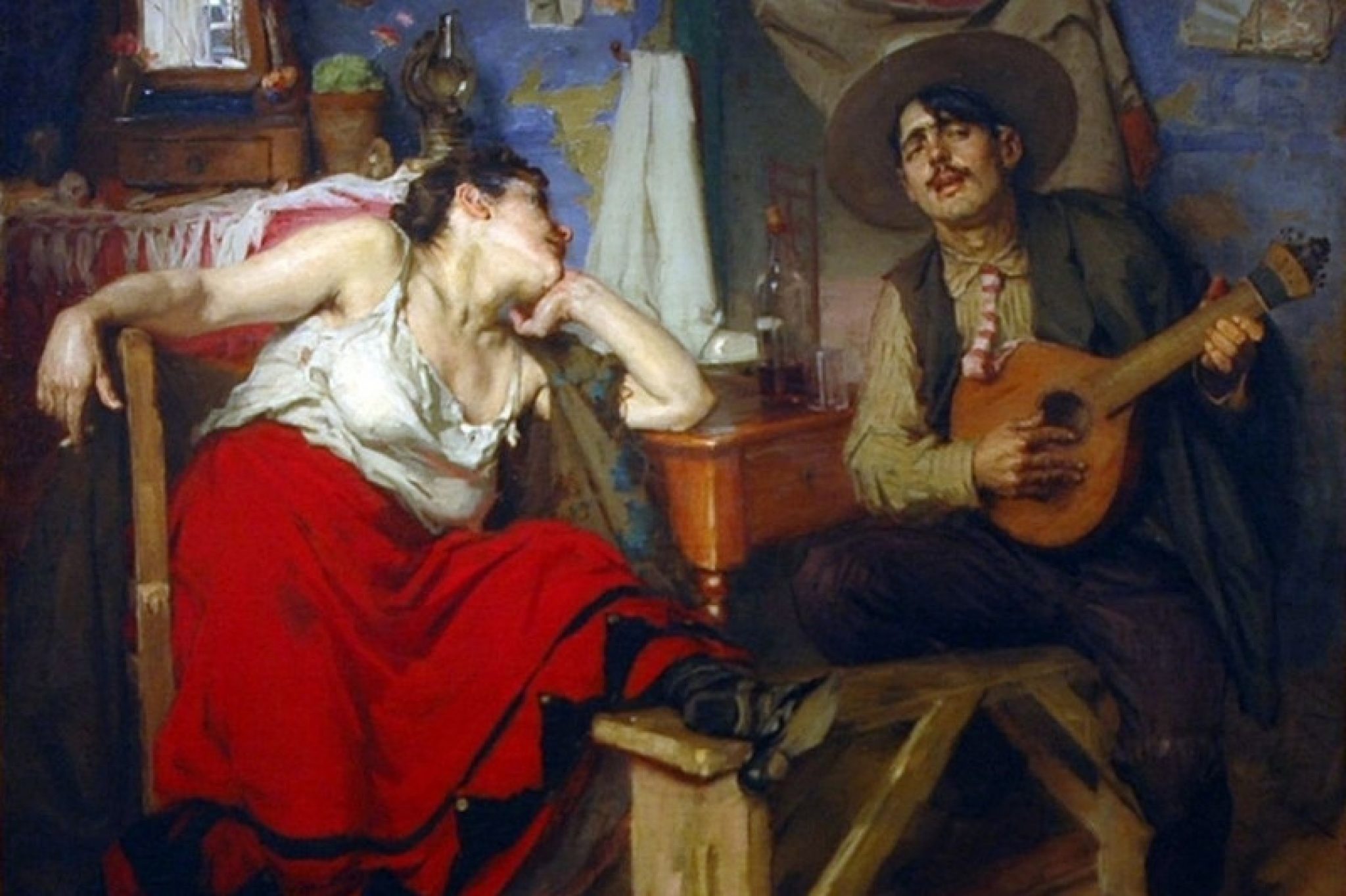
What we know for certain is that Fado began to be sung in the heart of Lisbon during the 1820s, in the traditional neighbourhoods of Mouraria, Alfama and Bairro Alto, within an environment shaped by taverns, sailors, workers and the city’s bohemian way of life.
In its early days, Fado had a strongly popular character, and, for that reason, it was often rejected by the intellectual elites of the time. Over the years, however, it gradually gained recognition and assumed an increasingly important role in Portuguese society.
Between the 1940s and the 1960s, Fado experienced its golden age, achieving enormous popularity through radio, cinema and television.
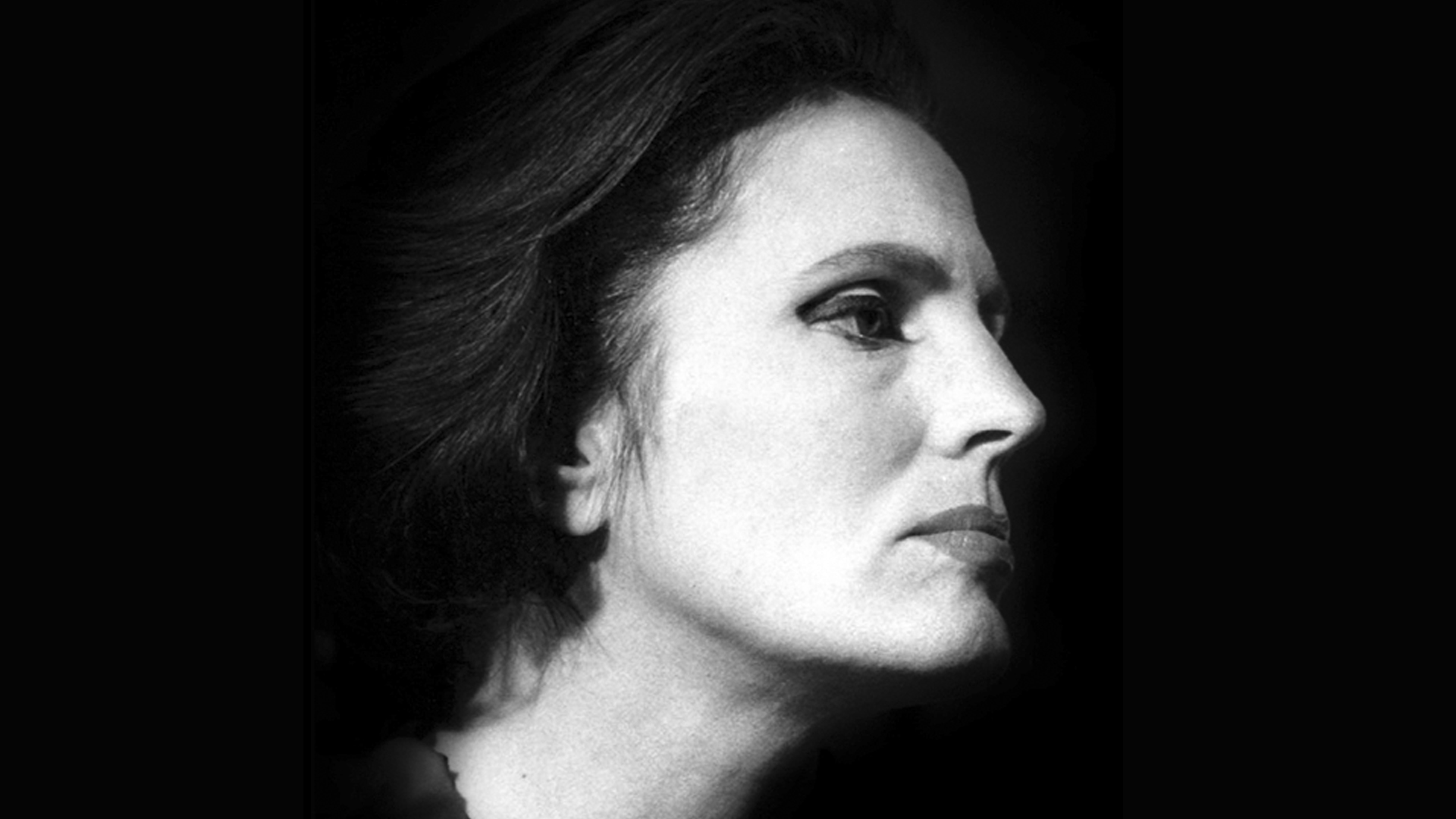
Amália Rodrigues
In the 1950s, Fado became closely associated with the woman who would become one of Portugal’s greatest icons: Amália Rodrigues. Widely regarded as the great ambassador of Fado, Amália elevated this musical genre to a new artistic level and carried its distinctive sound to audiences around the world.
Fado after the Carnation Revolution – April 25 1974
During the Portuguese dictatorship, Fado was often associated with the regime, which contributed to a degree of criticism and controversy following the Carnation Revolution of 25 April 1974. However, with the consolidation of democracy, this musical genre regained its prestige and came to be widely recognised as one of the most important expressions of Portuguese cultural identity.
Fado ceased to be a source of division and became established as a cultural heritage shared by all Portuguese people. A new generation of artists emerged, some directly connected to Fado and others influenced by its distinctive sound, including António Variações and José Mário Branco.
Since then, many outstanding artists have continued to promote and strengthen Fado both in Portugal and abroad, including Camané, Mariza, Carminho, Gisela João, Raquel Tavares, and many other renowned fadistas.
This was an introduction to some fascinating curiosities about Fado, one of the most treasured legacies of Portuguese culture. More than a musical genre, Fado embodies the soul, identity, and emotions of the Portuguese people. To learn more about Portugal, its culture, history, and our programmes, please contact our team.